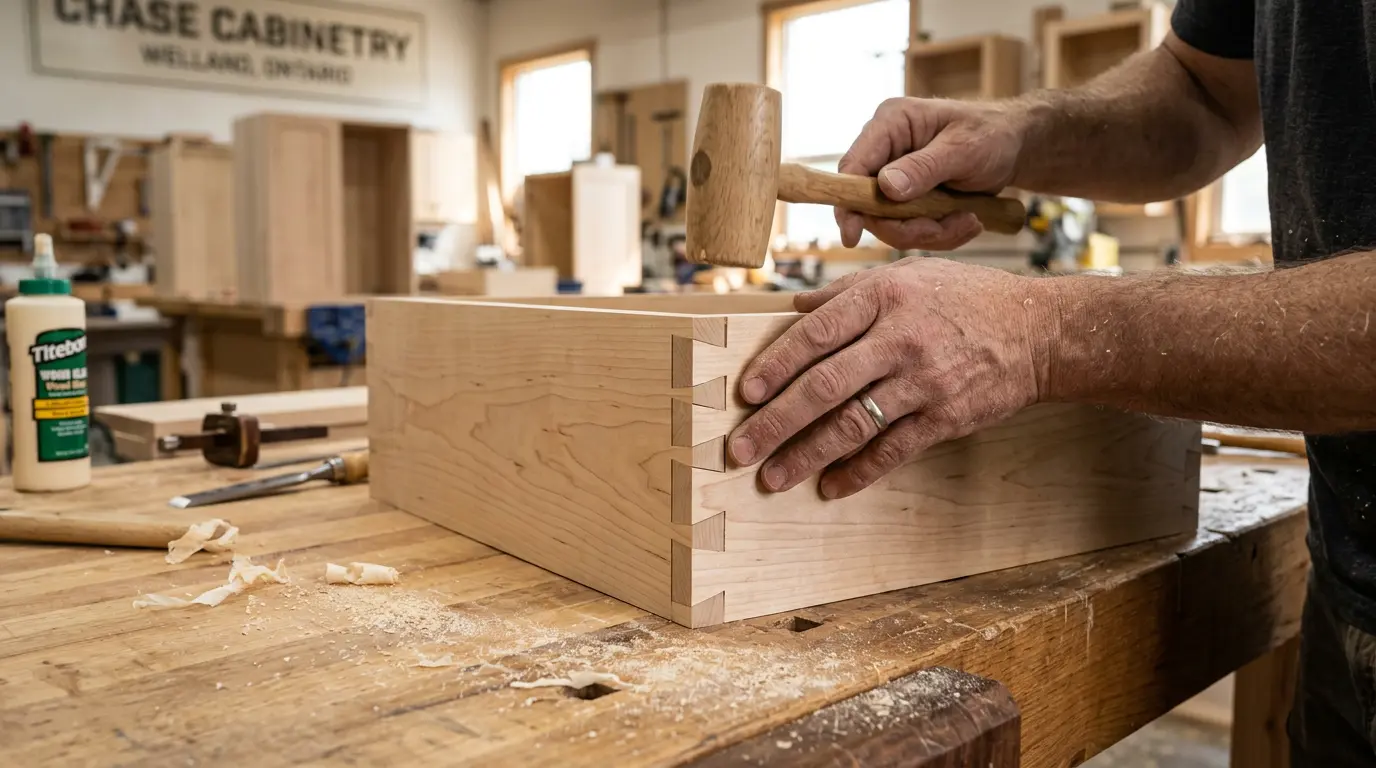
Construction method, joinery quality, the material used for the cabinet box, the finish system, hardware quality, installation precision, and day-to-day care all affect how long cabinets hold up. A well-installed cabinet of moderate materials will often outlast a poorly installed premium one. Choosing the right engineered wood product—whether MDF, HDF, or plywood—for each component also affects long-term performance.
Cabinet durability comes from the whole build, not just one feature. Materials matter, but so do joinery, hardware quality, finish system, installation, and even how the cabinets are used and maintained over time. A well-built cabinet made from sensible materials will usually outlast a poorly built cabinet made from premium ones.
For example, quality hardware makes a big difference in how smoothly doors and drawers keep working year after year. A durable finish protects the surface from grease, moisture, and everyday wear. Good installation ensures the cabinets sit properly and function the way they should from the start.
Material choice within engineered wood categories also matters. For painted doors, choosing HDF instead of standard MDF can extend the cabinet’s practical lifespan, especially in moisture-prone or high-traffic kitchens. For cabinet boxes, plywood outperforms particleboard. These choices don’t necessarily require premium materials everywhere—they’re about putting the right material in the right place for the job it needs to do.
So when you’re thinking about durability, it helps to look at the entire package rather than focusing on a single material or feature. A cabinet made from carefully chosen materials—plywood boxes, HDF painted doors, quality hardware, and a professional finish—will perform far better over 20-30 years than a cheaper cabinet with corners cut everywhere.