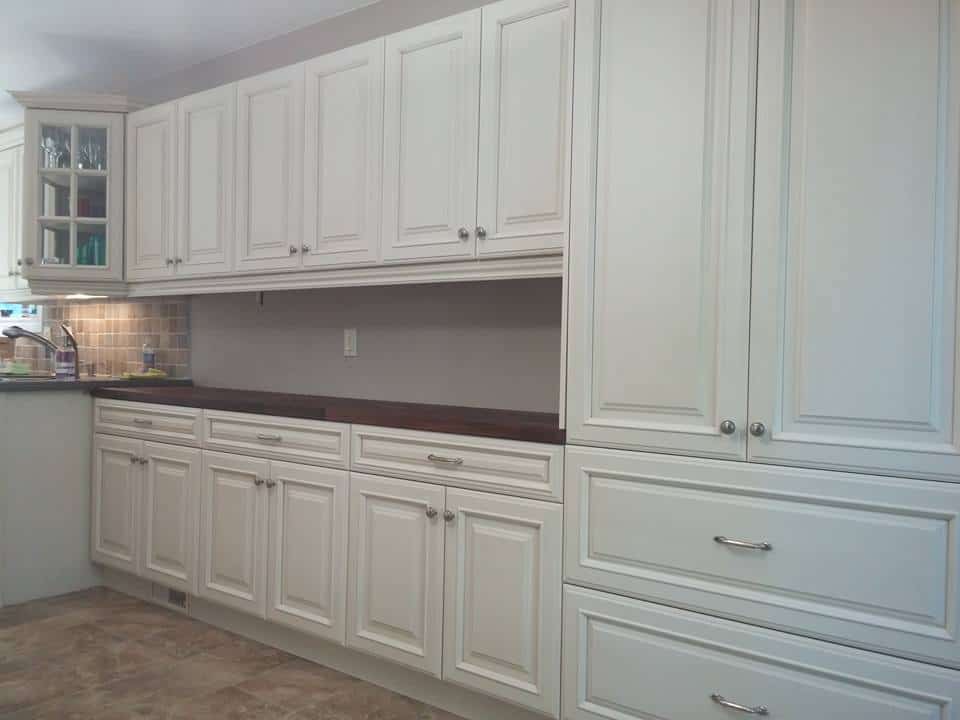
Custom cabinetry in Welland, Ontario
Stylish Custom Cabinetry For Homes, Office and Commercial Spaces
Thoughtful custom cabinetry for homes, offices, and commercial spaces.
Kitchens, vanities, built-ins, and millwork — designed from scratch and built by hand in Welland for home and business owners across the Niagara region.
Who We Are
Chase Cabinetry is led by owner and builder Chase Collings. With over 22 years of design and build experience, Chase brings his knowledge and insight to help his clients achieve their cabinetry goals. Every project starts with a direct conversation with Chase and ends with cabinetry that fits your space — not the other way around.
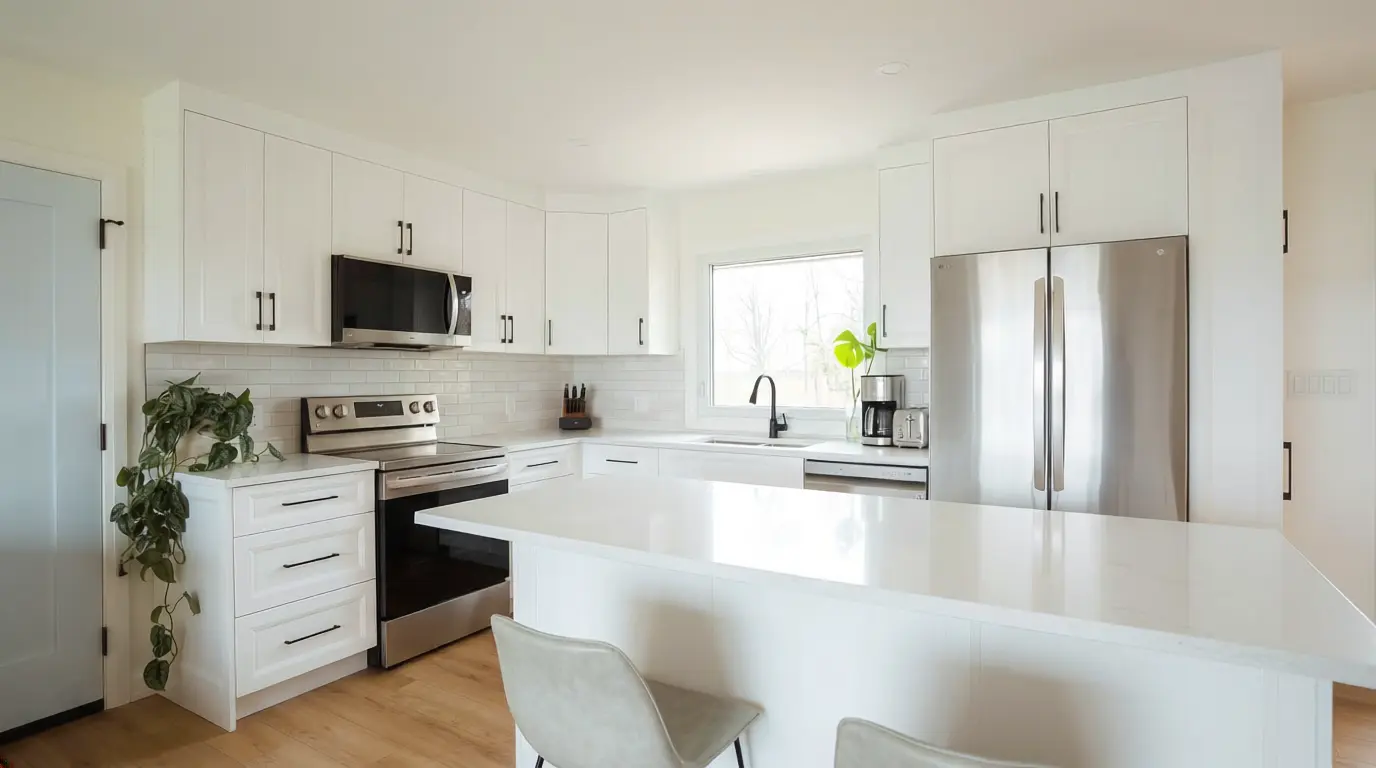
Kitchens
Full custom builds, cabinet refacing, and everything in between — designed around how you cook, gather, and use the space day to day.
What We Build
Beautifully crafted custom cabinets for every room
Beautifully crafted cabinetry products
Stylish and built for you.
We design, build, and install custom cabinetry for homeowners and businesses across the Niagara region. That includes kitchens, bathroom vanities, mudroom and laundry room storage, home offices, living room built-ins, closet systems, and commercial millwork — from reception counters to staff kitchens.
Every project starts with your space, not a product line. We work with you from the first measurement through to the final adjustment, building cabinetry that fits the room and makes daily life easier to manage.
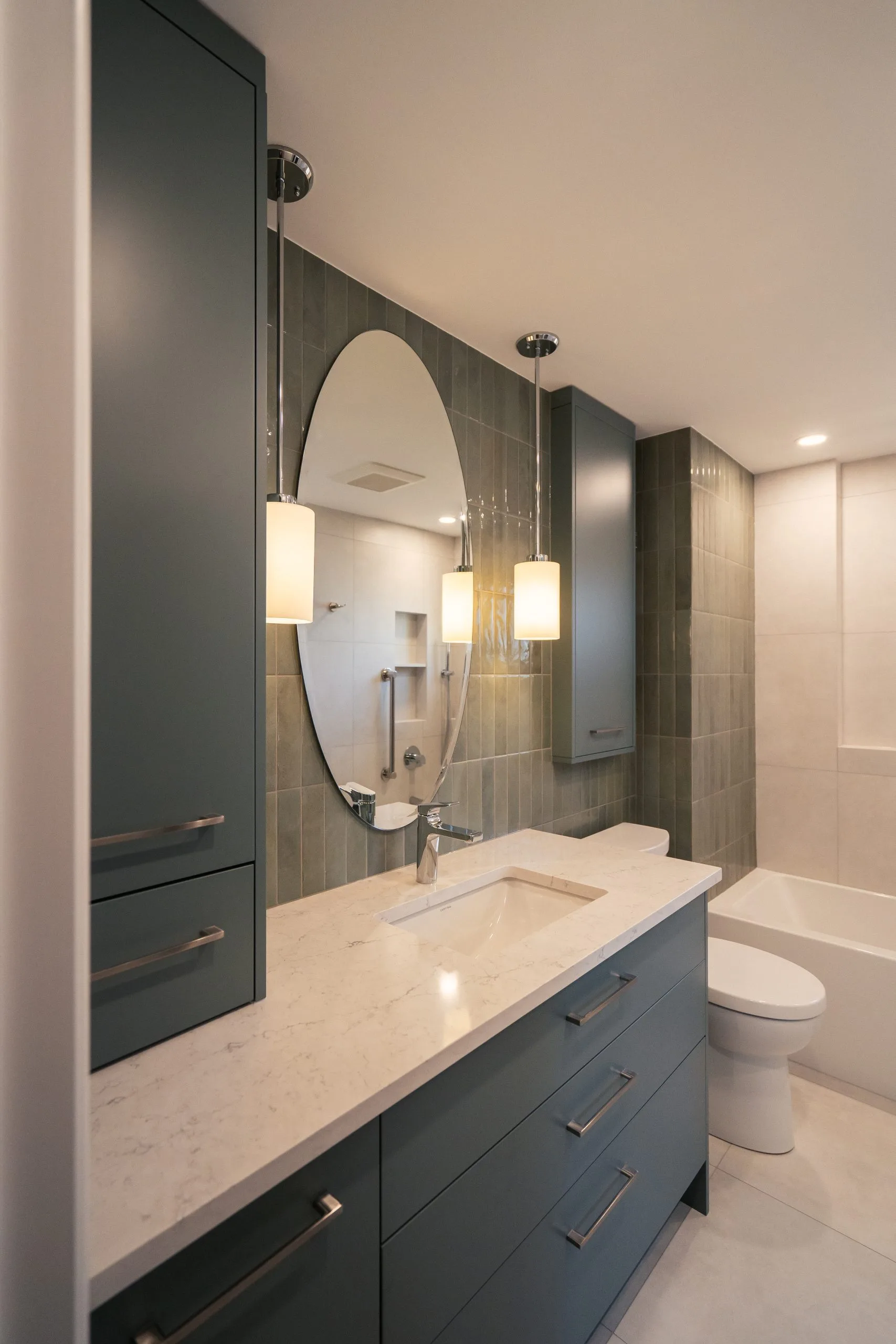
Bathrooms
Built to fit your layout and your storage needs, with a style unique to you.
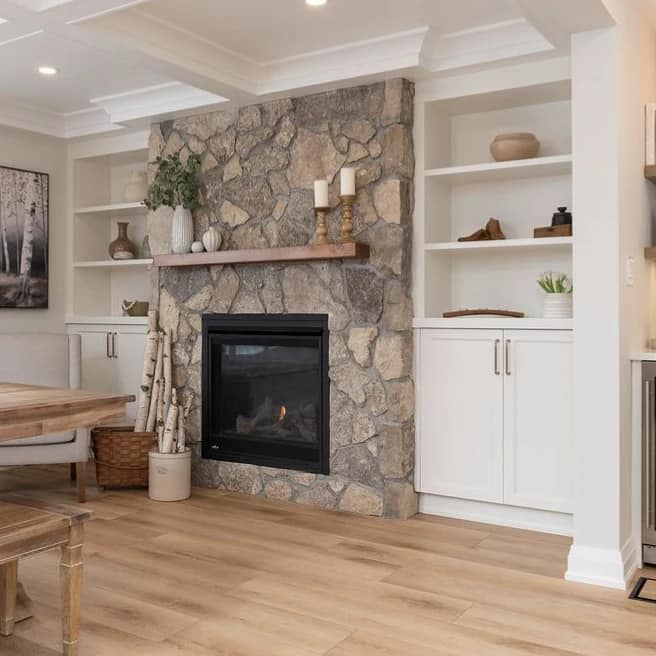
Built-Ins & Storage
Bookshelves, entertainment units, closet systems, pantries, china cabinets — designed to make the most of the space you have.
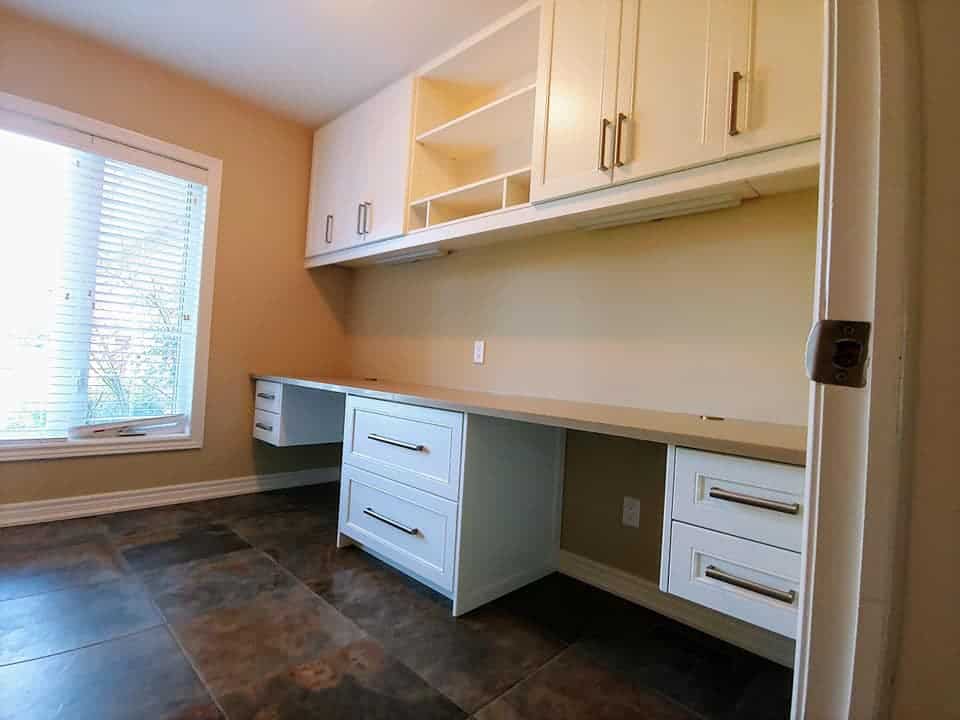
Office Space
Desks, shelving, and cabinetry designed for how you actually work, whether that’s a dedicated room or a corner of the living room.
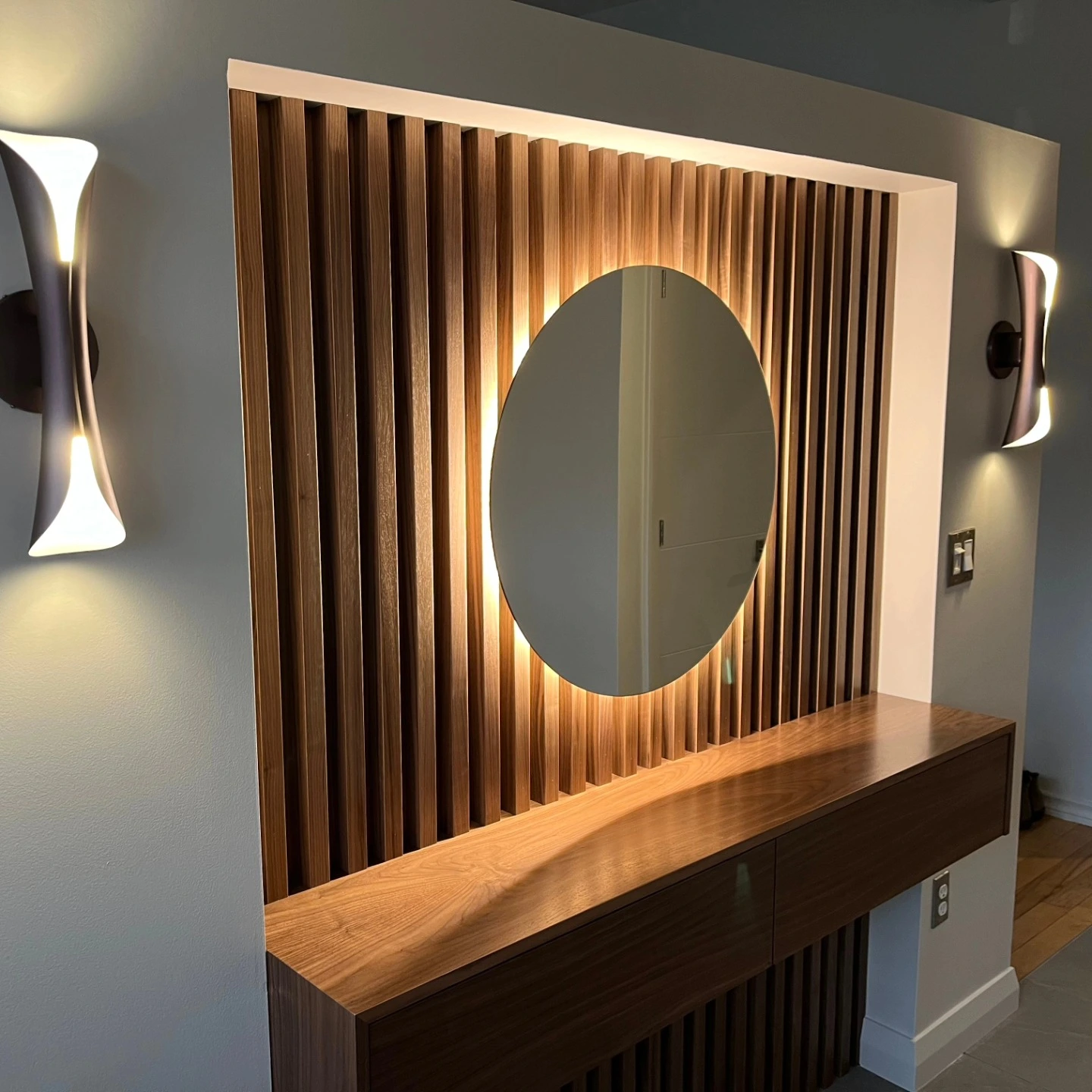
Custom Millwork
One-of-a-kind pieces built to spec when your project doesn’t fit a standard category.
Why Home and Business owners Choose Chase Cabinetry
Why Homeowners Choose Chase Cabinetry
Designed From Scratch for Your Space
No stock sizes and no wasted corners. Every project is measured and built to fit your room — not adapted from something that almost works.
You Work Directly With the Builder
Chase is the person you talk to, the person who designs your project, and the person who builds it. No layers, no miscommunication.
Honest Pricing, No Surprises
You’ll receive an itemized quote — not a ballpark — so you know exactly what you’re paying for before any work begins.
3D Illustrations Before You Commit
See a realistic rendering of your project before a single board is cut, so you can make confident decisions early.
View our work →
A Couple Words From Our Clients
We measure every project by one thing: whether it works the way you need it to, long after the installation is finished. Here’s what a few of our clients have had to say.
Planning a Kitchen Renovation? Start Here.
Not sure where to begin? We’ve put together a library of practical guides to help you understand your options, avoid costly mistakes, and make smart decisions for your space.
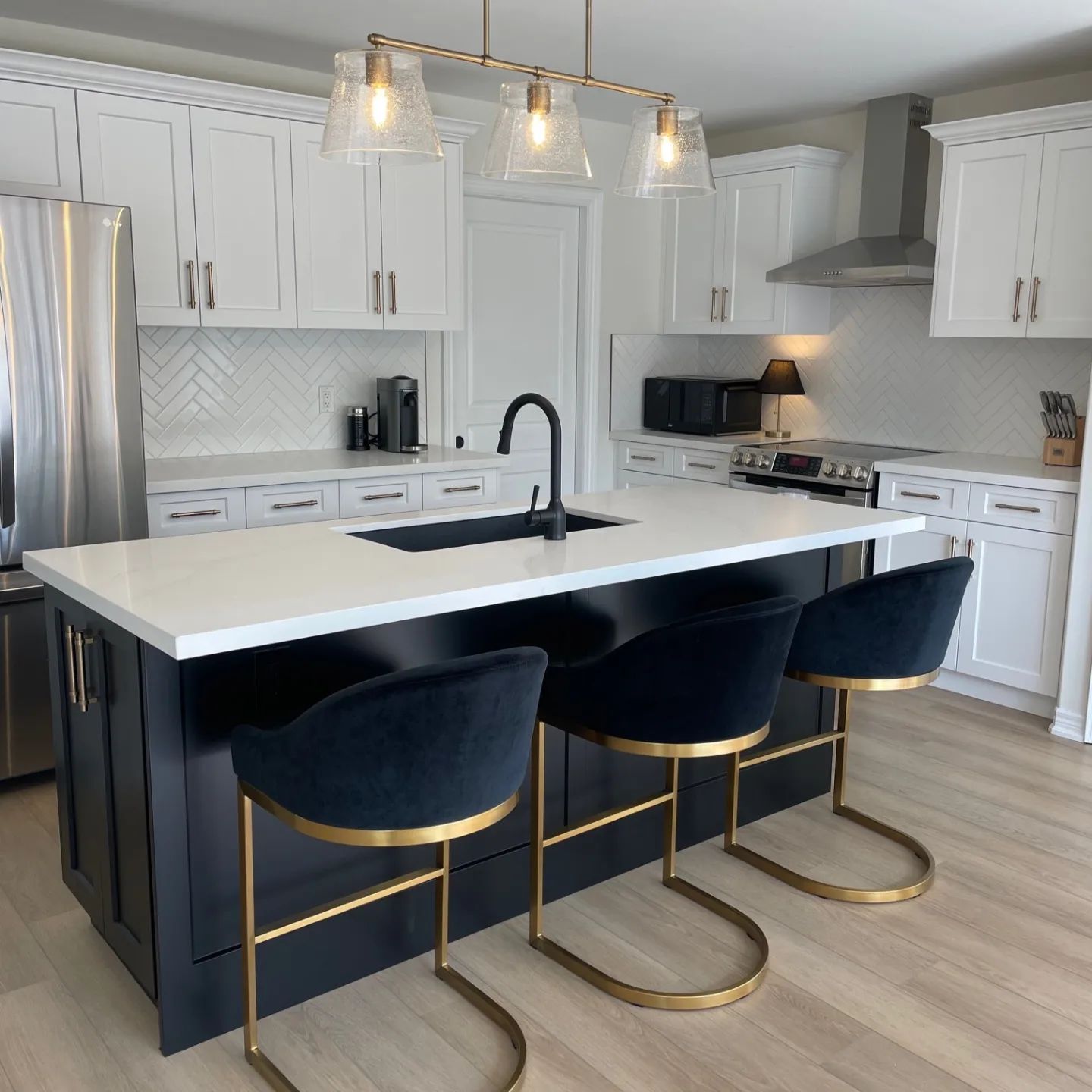
Ready to Get Started?
Whether you’re planning a full kitchen renovation or just want to explore what’s possible, the first step is a conversation. Tell us a little about your project and we’ll get back to you.
Frequently Asked Questions
What is Custom Cabinetry?
Custom cabinetry is built from scratch around your room — not chosen from a catalogue and adjusted to fit. That means no awkward gaps and no storage that was designed for someone else’s room. The layout, the materials, the finish, and every interior detail are planned around the way you actually live and work in the space.
Payment can be made by e-transfer, cheque, or cash.
That’s helpful to know upfront because payment details are much easier to manage when they’re clear early in the process. It also helps homeowners plan around larger renovation payments without any last-minute surprises.
Since credit cards are not accepted at this time, it’s worth keeping that in mind as you prepare for the project.
Chase Cabinetry handles a wide range of custom cabinetry and storage projects for both homes and businesses. That includes custom kitchens, bathroom vanities, built-in entertainment units, home offices, wardrobes, mudrooms, laundry rooms, closet organizers, and cabinet refacing where the existing boxes are still in good condition.
For homeowners, that kind of range can be helpful because it means the same company can often carry a consistent look and quality across different rooms in the home. It also makes it easier to discuss custom projects that don’t fit neatly into one category.
If you have a storage or cabinetry idea in mind, it’s often worth asking — even if it isn’t one of the most common project types.
Yes. Chase Cabinetry also works on select commercial projects across the Niagara region. That can include office cabinetry, reception counters, staff kitchens, and workspace storage. Commercial work often has different needs than residential projects, especially when it comes to durability, traffic, and accessibility requirements.
Because of that, each commercial job is usually considered based on its specific scope. Some spaces need straightforward built-in storage, while others require more specialized design and coordination.
In many cases, they’re even more valuable in a smaller home. When space is limited, every inch matters. And that’s exactly where standard cabinets tend to fall short.
Many smaller Ontario homes — especially older ones — weren’t designed around modern cabinet sizes. That leads to wasted space, awkward gaps, and storage that doesn’t fully work.
Custom cabinets solve that by using every inch efficiently. It’s not uncommon to gain 6 to 12 inches of usable space just by eliminating fillers and designing to exact dimensions.
In smaller kitchens, smart design makes a huge difference. Features like deep drawers, ceiling-height cabinets, and better corner storage can completely change how the space functions.
When you don’t have extra space to work with, good design matters even more — and that’s where custom really pays off.
Cabinets affect almost everything you do in the kitchen. They determine where things live, how easy they are to reach, how much counter space stays clear, and how smoothly the room works from one task to the next. That’s why cabinet design has such a big impact on day-to-day life.
A kitchen can look beautiful in photos and still feel frustrating if the storage isn’t planned well. When cabinets are laid out properly, putting groceries away is easier, cooking feels more organized, and cleanup takes less effort.
Features like pull-out shelves, drawer dividers, garbage pull-outs, and well-placed drawers can save time and reduce clutter without adding visual complexity.
Most homeowners notice this after the renovation is done. What they appreciate most often isn’t just the new look — it’s how much easier the kitchen is to use.
The best way to reach out is by phone, email, or through the contact form on the website. When you do, it helps to include a short description of the project, your location, and a few photos if you have them. That gives the conversation more direction right away and makes it easier to offer useful guidance from the beginning.
You don’t need to have everything figured out. Just enough information to explain what kind of space you have and what you’re hoping to improve.
That usually leads to a much more productive first conversation.
Call Chase directly at (289) 673-1355, or by email info@chase-cabinetry.com