Value Guide
Are Custom Cabinets Worth It?
A Real-World Breakdown for Homeowners
Kitchen Cabinet Blog • Ontario Homeowners
Custom cabinets are often seen as a premium option. The real question is not whether they cost more, but whether they deliver value over time.
Before answering that, it helps to keep the bigger process in view. If needed, go back to the full planning guide and the cabinet type comparison.
Understanding the Cost Difference
Custom cabinets typically range from $15,000 to $40,000 or more, depending on the project. Stock cabinets are more affordable upfront, but they often involve compromises in fit and functionality.
For the full pricing picture, including refacing and semi-custom options, read the Ontario cabinet pricing guide.
What You Are Paying For
Custom cabinetry includes design, materials, and construction tailored to your specific space. This usually means:
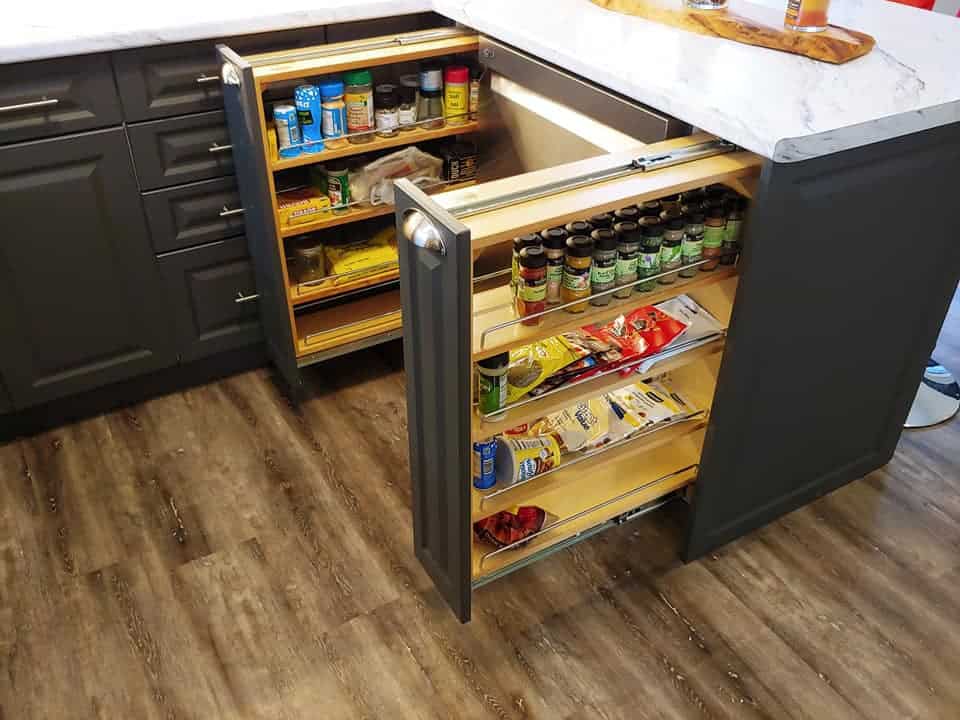
- Better use of available space
- Storage designed around your needs
- Improved durability over time
Those benefits become more noticeable the longer you use the kitchen.
When Custom Cabinets Make Sense
Custom cabinets are especially valuable when standard solutions fall short. That often includes older homes, non-standard layouts, smaller kitchens, or projects where long-term use matters.
Construction quality also matters here, which is why it helps to understand what makes a cabinet high quality.
When They May Not Be Necessary
Custom cabinets may not be the best fit for every situation. If the layout is simple and long-term use is not a priority, more standardized options can still provide a good result.
If your current layout works and you mainly want a fresh look, it may also be worth comparing refacing instead of replacing.
The Long-Term Perspective
One of the key advantages of custom cabinets is longevity. Well-built custom cabinetry can last decades, which changes how the cost is experienced over time.
Final Thought
Custom cabinets are worth it when the goal is to improve how the kitchen functions, not just how it looks.
Since opening in 2016, Chase Cabinetry has completed more than 275 projects across the Niagara region. That kind of track record matters because experience builds over time. Each project adds to a cabinet maker’s understanding of different home styles, room layouts, storage needs, and practical design solutions.
For homeowners, experience often shows up in the details — better planning, smoother problem-solving, and a clearer understanding of what will work well in real homes.
It’s not just about the number of projects. It’s about what that experience brings to the quality of the work.
(Project number last updated March 16, 2026)
MDF is an engineered wood product made from very fine wood fibres compressed into dense, smooth panels. One of its biggest strengths is how well it takes paint. Because it has no visible grain and a very uniform surface, it creates a clean painted finish that many homeowners prefer for cabinet doors.
That’s why MDF is often used for painted doors, drawer fronts, and decorative panels. It gives a smooth result that can be harder to achieve with natural wood, especially if you want a crisp, modern finish.
Its main weakness is moisture. MDF does not handle water exposure as well as plywood, which is why it’s usually better suited to the visible door components than to cabinet boxes in wetter areas.
For improved durability, especially in kitchens with higher moisture exposure or where edge durability matters, HDF (High-Density Fiberboard) is available as a premium alternative to standard MDF. HDF is denser and more resistant to moisture and impact than MDF, making it a better choice for painted doors in kitchens near sinks or dishwashers, or in homes where edge chipping is a concern. The trade-off is slightly higher cost, but many homeowners find it worthwhile for long-term performance.
No — refacing keeps the existing cabinet positions in place. That means it can change the look of the kitchen, but not the underlying layout. The sink, stove, appliance locations, and overall cabinet arrangement all stay where they are unless you move into a full replacement project.
This is one of the most important things to understand before choosing refacing. It works best for kitchens that already function well and simply need a style update.
If your goal is to open up the room, move appliances, improve flow, or change how the kitchen works, refacing won’t be enough on its own. Layout changes often involve moving plumbing, electrical, or gas lines, which typically require permits in Ontario and add both cost and coordination to the project.
In many cases, yes. Darker cabinets tend to show fingerprints, dust, water spots, and smudges more easily than lighter finishes, especially if the surface has more sheen. That doesn’t mean dark cabinets are a bad choice — just that they usually need a bit more regular upkeep to keep looking their best.
A matte or satin finish can help a lot. It softens reflections and makes everyday marks less noticeable than a glossy surface would.
So if you love the look of dark cabinetry, it’s absolutely possible to make it work. It just helps to go into the decision knowing that the maintenance side is a little different.
A living room built-in can be as simple or as detailed as the room needs. Some are designed around a fireplace or TV wall, with shelving on either side and closed cabinetry below. Others include full wall-to-wall storage, display shelves for books or decor, media compartments, or even window seats and surrounding cabinetry.
What makes built-ins so effective in a living room is that they combine function and visual impact. They can hide clutter, frame the room beautifully, and make the space feel more custom and complete.
In many homes, a well-designed built-in becomes one of the main focal points in the room.